
Last week was a busy one. The Tampa International Diplomacy and Exchange Summit, better known as TIDES, brought delegations from around the world to the Tampa Convention Center on November 16-17, and the conversations in the hallways were as valuable as the ones on stage. It was a strong reminder of how global Tampa has become, and how connected business is across borders, which is also why managing currency exposure matters so much.
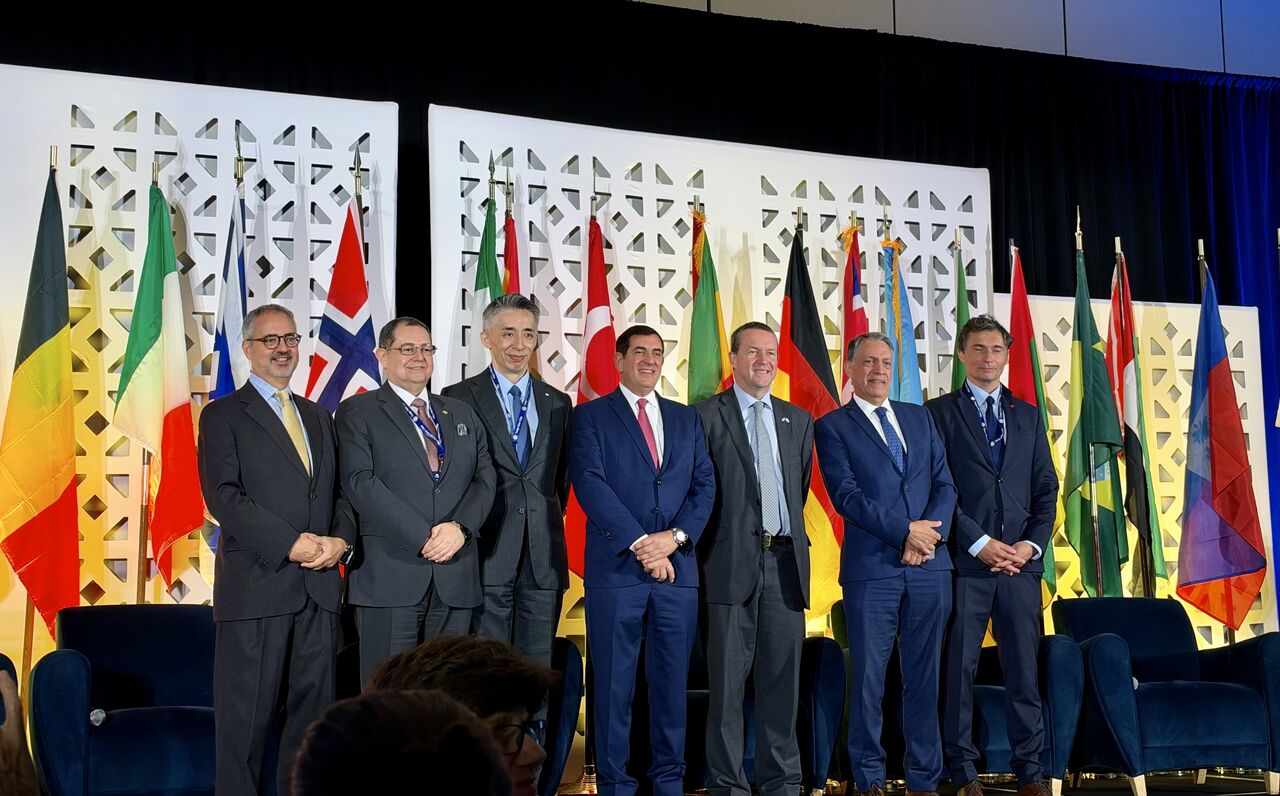
Our president, Justine Assal, joined the Trade track for a panel called The Invisible Infrastructure: What It Really Takes to Do Business Across Borders. Her focus was foreign exchange strategy, and specifically how businesses can reduce their currency exposure and manage swings in exchange rates.
She shared the stage with a panel that covered the whole picture: moderator Jennie Sammur, founder and global strategist at Gateway Global Network; Ann C. Shipherd, principal at A.C. Ship Global Trade Law and a customs and global trade attorney; Arthur Savage, CEO and president of A. R. Savage & Son, a Tampa Bay maritime firm established in 1945; and Manny Mencia, CEO of MAM International Consultants and a former senior vice president at Enterprise Florida, where he led the state’s export promotion and foreign direct investment programs. Finance, law, logistics and economic development each hold up a piece of the structure, and hearing them side by side was the point of the session.
Why “invisible” infrastructure?
When companies talk about going global, the conversation usually starts with the market: the customers, the product fit, the opportunity. The panel started somewhere less glamorous. Before a company can sell, hire or build in another country, a set of connected systems has to be in place: payments, currency, legal structure, compliance, and the professional relationships that hold it all together. None of it is visible when it works. All of it is very visible when it doesn’t.
Currency exposure is a planning problem
Most of the FX conversation we have with businesses comes down to one idea: currency exposure is easier to manage when you plan for it than when you react to it. A few points we shared on the panel:
Know where your currency exposure sits. Many companies only see currency risk once an invoice is late or a rate moves against them. Mapping which currencies you pay and receive, and when, is the starting point for everything else.
Decide your approach before the rate moves. A budget built on one exchange rate can look very different three months later. Agreeing on how much variance the business can absorb, and what to do beyond that, takes the pressure out of the moment.
Match the tool to the cash flow. A predictable payment schedule, such as supplier invoices or payroll abroad, calls for a different approach than occasional one-off transfers. Forward contracts and multi-currency accounts each have a place, and the right mix depends on the business.
Treat it as part of the operating model. FX works best when finance, procurement and leadership are looking at the same picture, not when it is handled one transfer at a time.
None of this removes currency movement. It gives a business the room to plan around its currency exposure. For more on how outside events feed into currency risk, read Geopolitical Risk Is an FX Risk and The Fed, the Dollar and Your Bottom Line.
A region with a global outlook
What stood out most about TIDES was the mix of people in the room. Delegations from different countries, local economic development organizations, universities, and companies of every size were all there to build relationships, and that is exactly the theme of the panel. Cross-border business runs on trust as much as it runs on wire transfers.
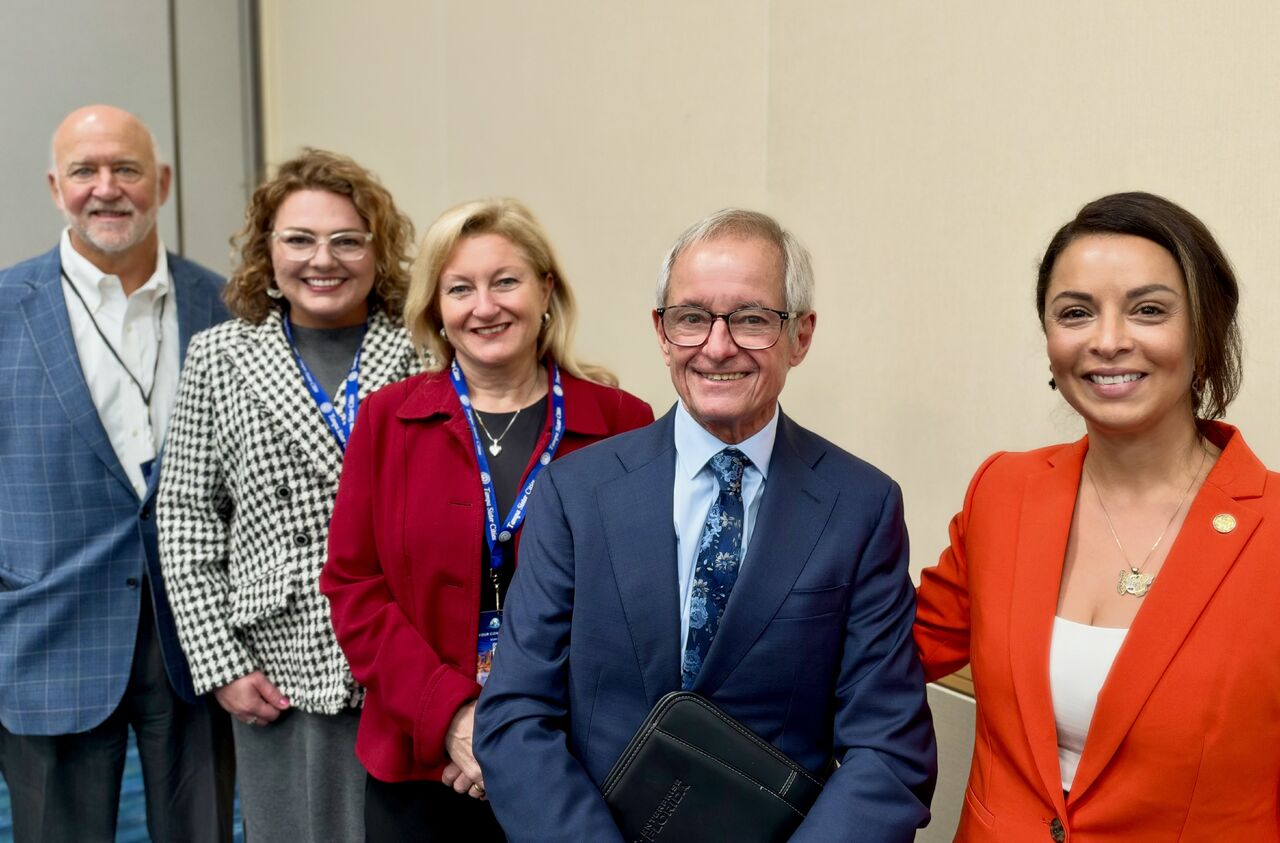
It was also great to see clients and so many friends, colleagues and business leaders there, including the Florida High Tech Corridor, USF World, United Soccer League, Tampa Mayor Jane Castor and the US Department of Commerce, to name just a few.
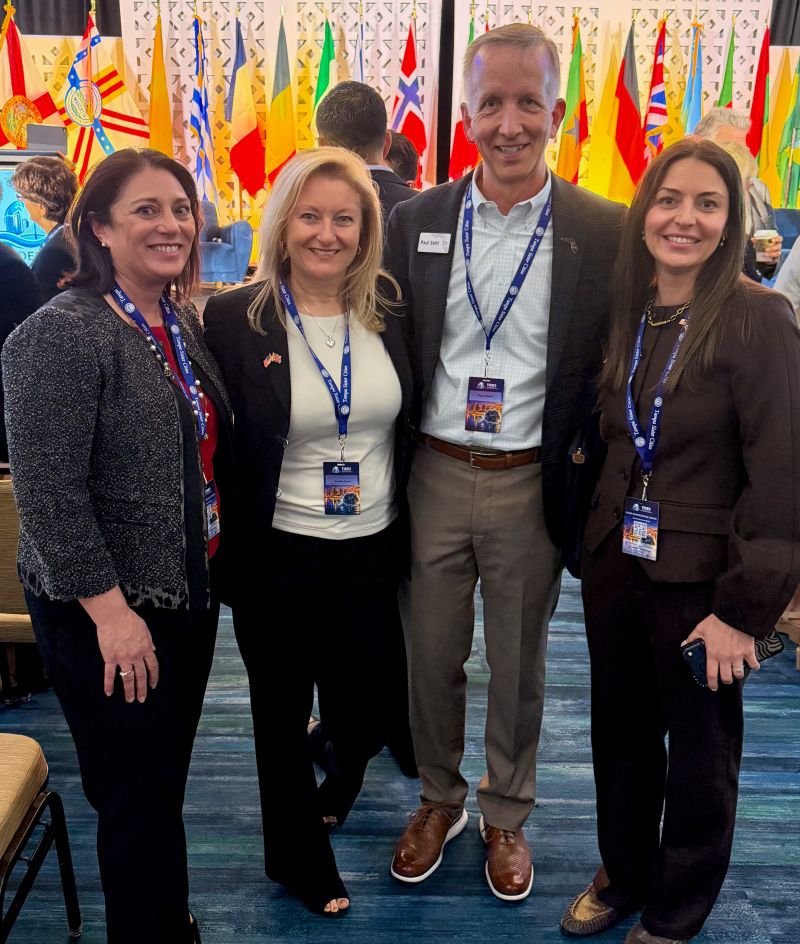
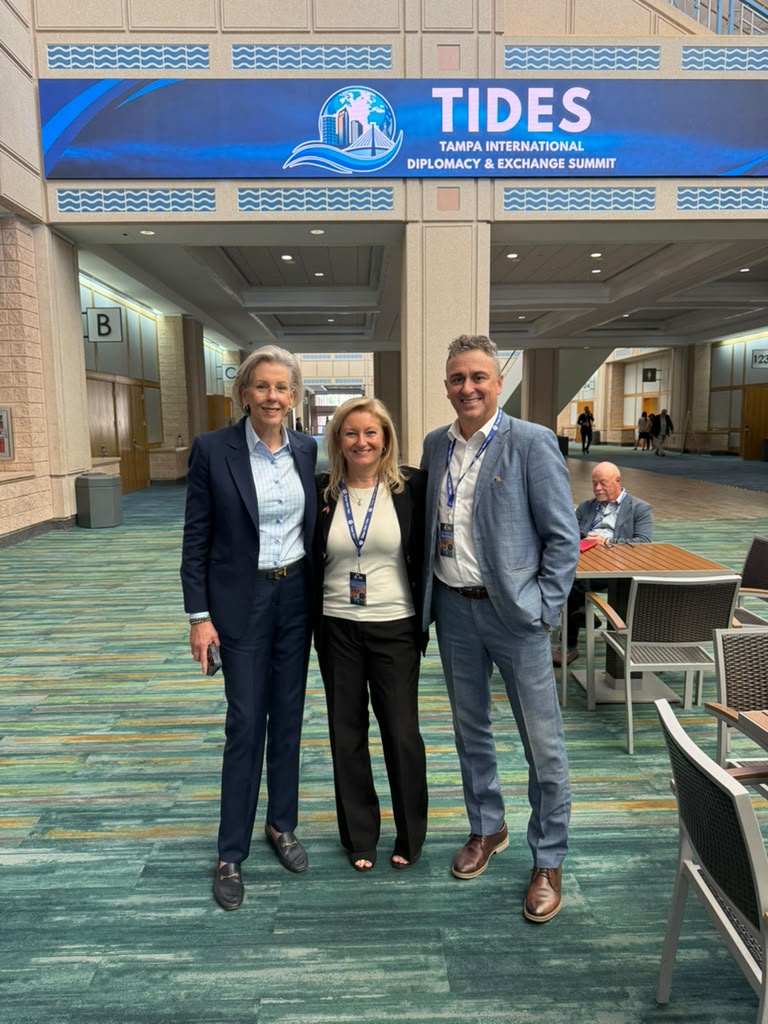
The same week took us between Tampa and Orlando, meeting stakeholders in both cities and spending time with international business delegations who are looking closely at Florida. The interest is real, and it is growing. Florida’s mix of ports, airports, universities, talent and a welcoming business environment continues to draw international companies, and every conversation we had reinforced it. Before the summit, we looked at why Tampa is becoming a global business hub.
What this means for your business, wherever it operates
The takeaway from TIDES is not only for companies expanding into the US. It applies to any business operating globally. Our clients are all over the world, in Florida, California, the UK, France, Dubai and well beyond, and the foundations are the same wherever you are: understand your currency exposure, set up the banking and payments structure, and find the right partners before you need them.
We help businesses with exactly this, from receiving and sending payments in multiple currencies to planning around FX and currency exposure. If you would like to see how it works for a business like yours, we would be glad to show you.
Thank you to Tampa Sister Cities, Inc. and everyone who made TIDES Tampa such a success.